Yes. Start with the excavator brand, model, tonnage and main work. Photos of the machine and existing attachments are useful if the dimensions are not yet known.
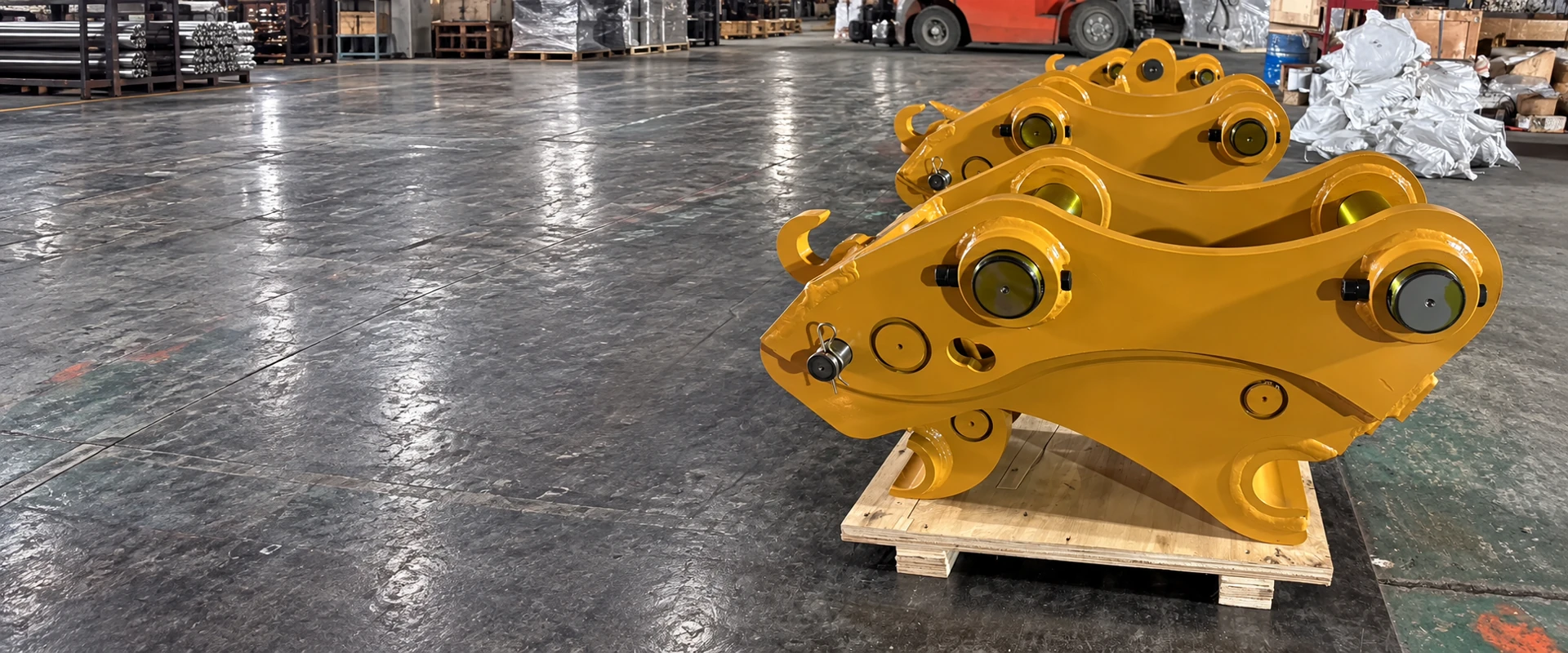
Quick Coupler
Switch between buckets and compatible attachments on your excavator.
One excavator.
Attachments for different jobs.
Trenching, grading and loading call for different buckets. A BETENSH quick coupler connects an excavator to compatible buckets and attachments, making it easier to change the setup for the next job.
For a contractor’s fleet, a Plant Hire machine or a customer’s excavator, select the coupler with the attachments it will use. Include existing buckets in the fitment plan.
Match the excavator.
Keep its attachments in view.
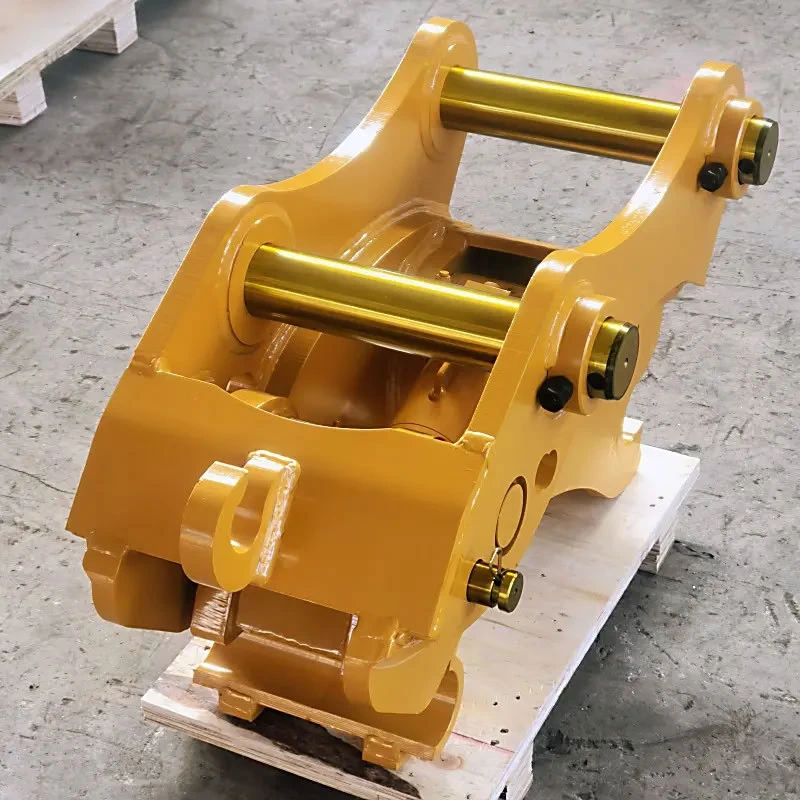
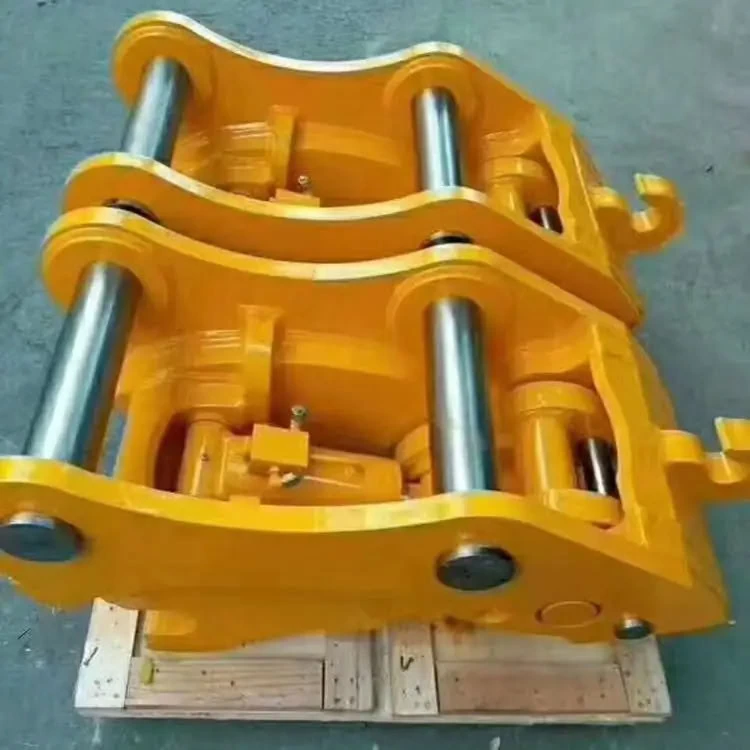
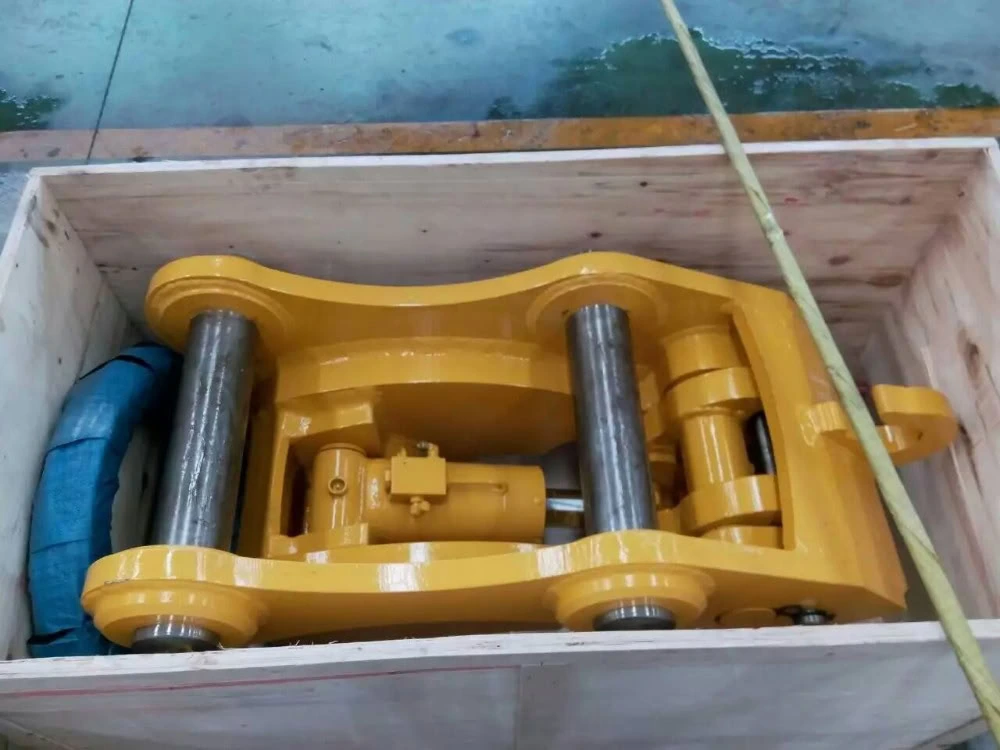
The whole-unit and top views show the pins, side plates and internal connection positions. Both the excavator side and the attachment side need to match the equipment.
Choose the size and configuration for the machine, with attachment weight and working conditions in mind.
See the connections.
Specify the right fit.
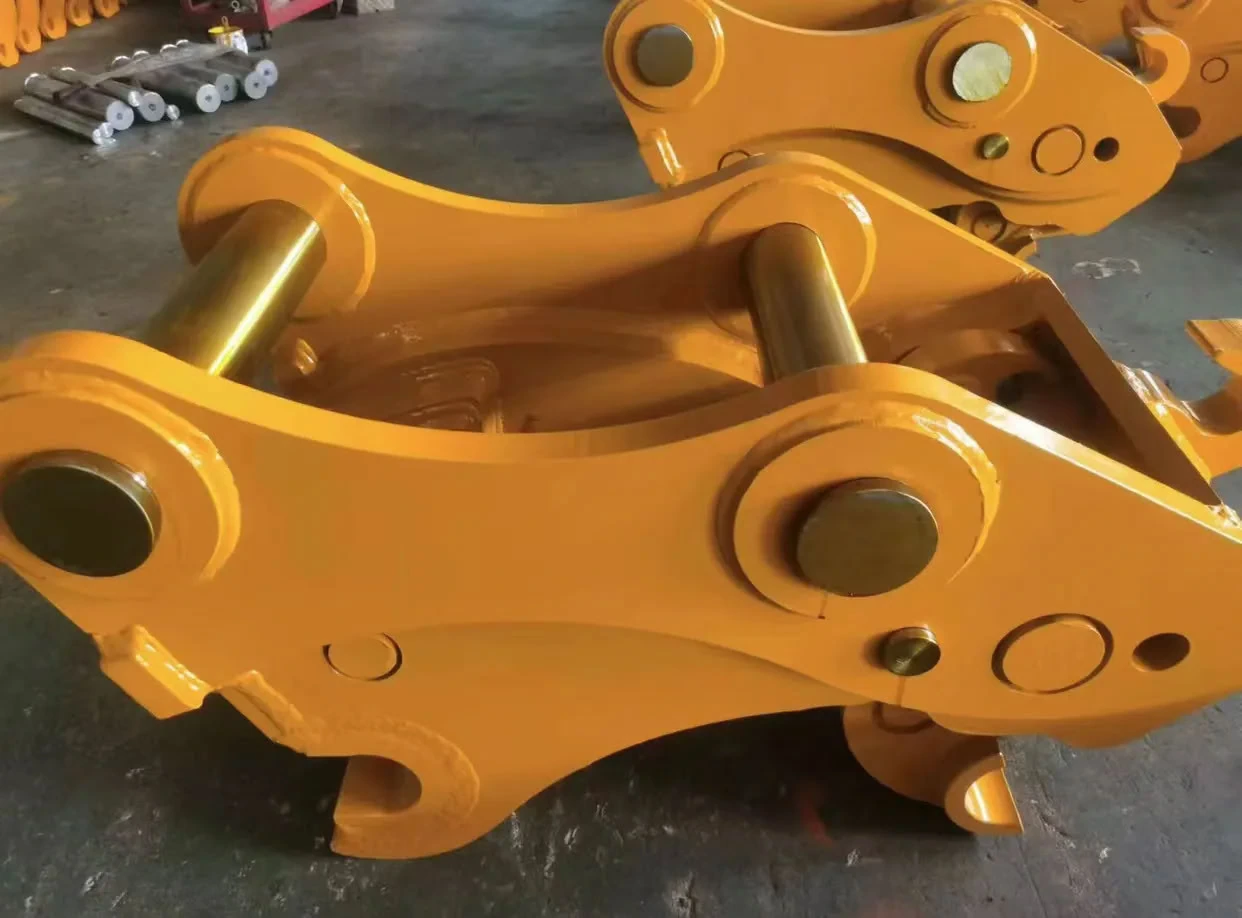
Close views of the pin ends, side plates and internal connections help identify interfaces and parts when ordering for several machines or replacing a component.
Plan the coupler circuit
and attachment circuit separately.
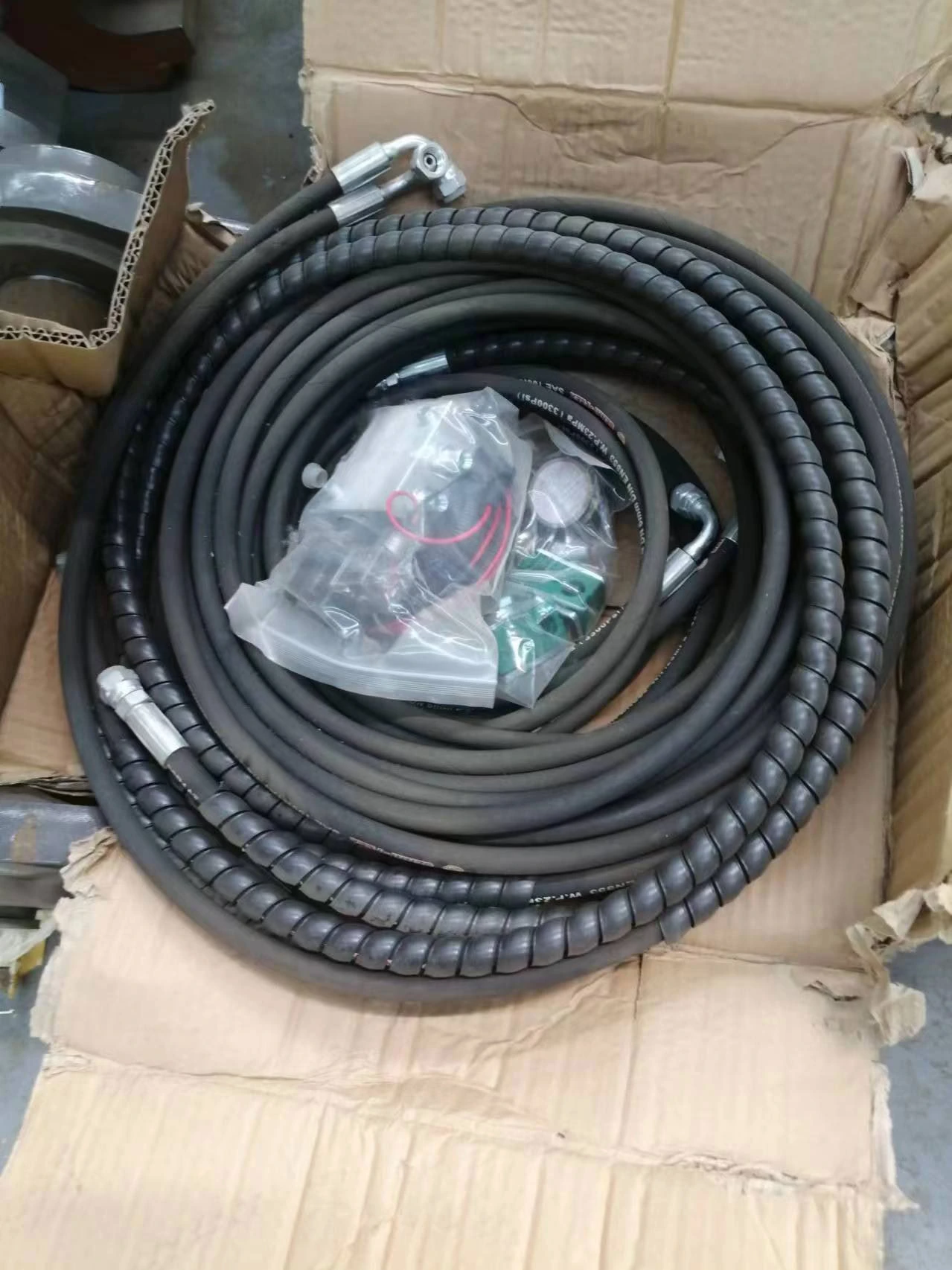
For a hydraulic coupler installation, consider hoses, fittings and controls together. A breaker or other hydraulic attachment still needs its own matching working circuit.
Tell us whether you need a hose kit or controls. Connections, hose lengths and included items depend on the machine and the quoted configuration.
Follow the operating and locking-check instructions for the selected configuration.
Start with your machine.
Start with the excavator brand, full model and tonnage, then match the mounting interface.
For detailed fitment, check the pin diameter, front-to-rear pin centre distance and the distance between the inner faces of the two mounting ears. Check the buckets or other attachments you plan to connect as well.
You can enquire before you have every measurement. Tell us your machine model, main work and intended attachments; detailed fitment can follow.
Discuss Your Setup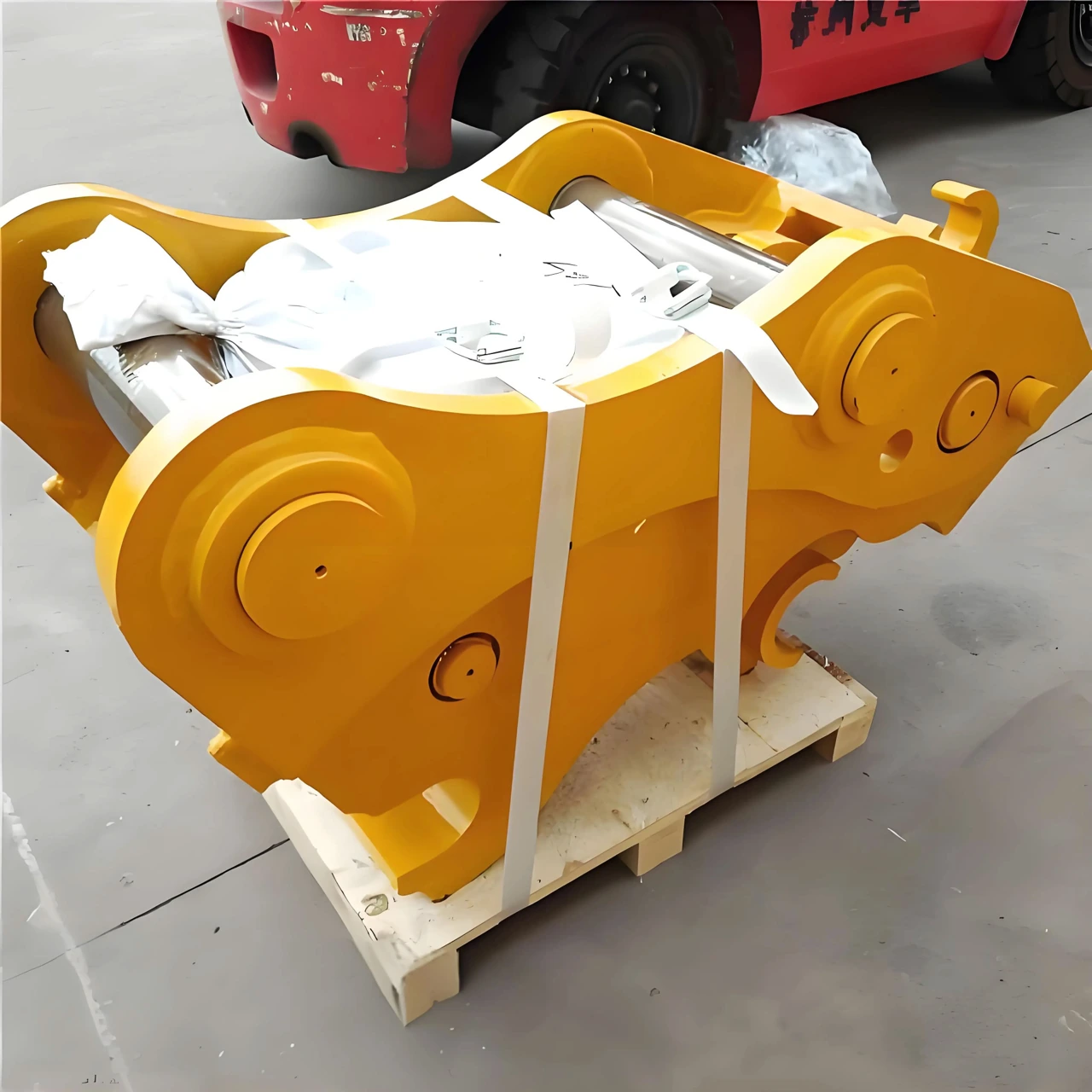
BQC Models & Specifications
Excavator tonnage is a starting guide. Final fitment depends on the machine model and connection dimensions.
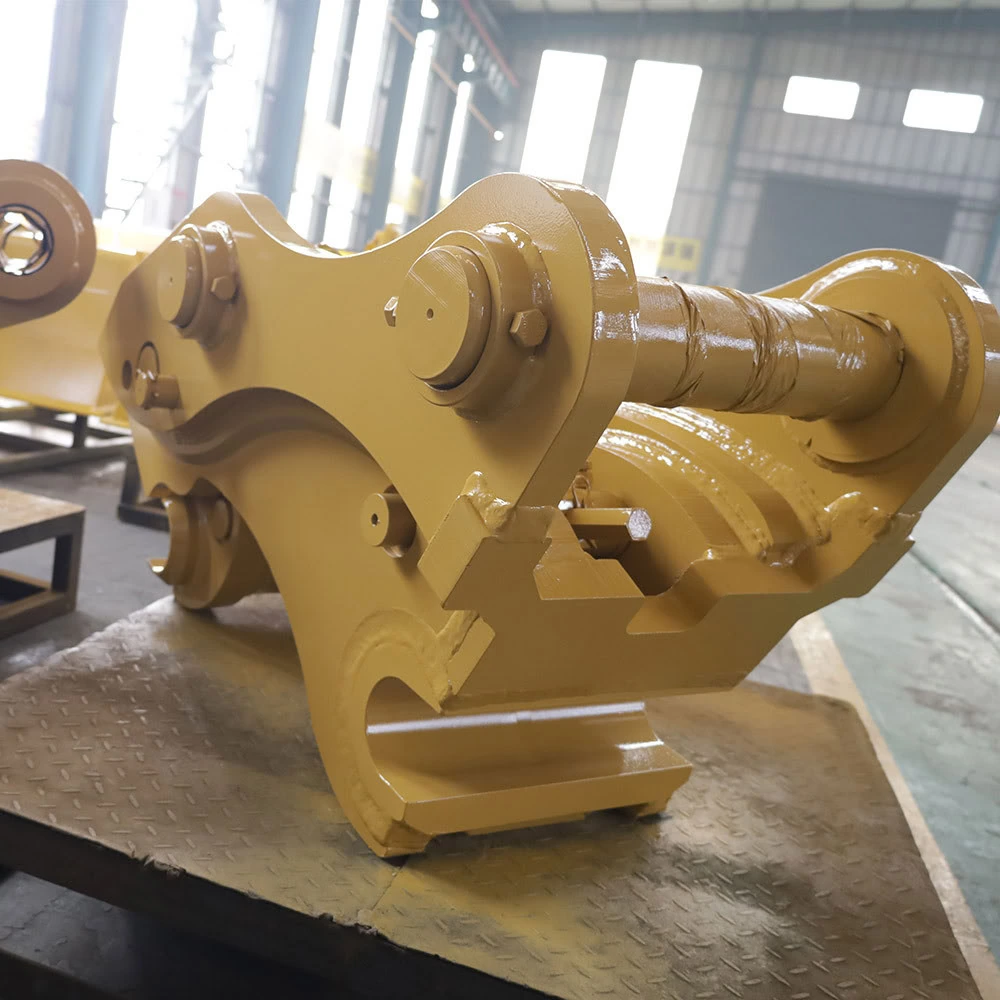
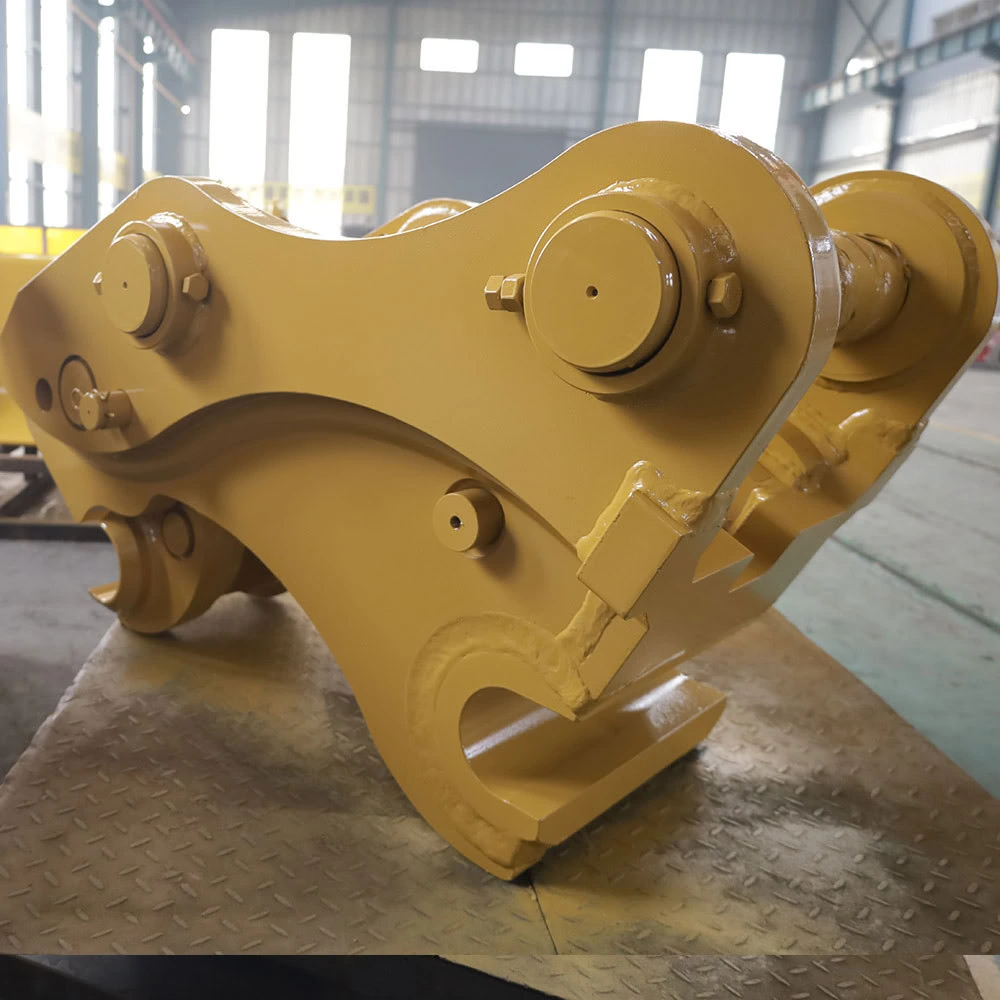
Curved side plates and end fasteners. The selected model determines the final configuration.
| Model | Excavator (t) | Pin diameter (mm) | Hook specification (t) | Flow (L/min) | Width (mm) | Height (mm) | Weight (kg) |
|---|---|---|---|---|---|---|---|
| BQC01 | 0.8-2.5 | 25/30 | 1 | 15-25 | 90-120 | 135 | 24-25 |
| BQC03 | 3-4 | 35/40 | 1 | 15-25 | 110-145 | 175 | 39-42 |
| BQC05 | 4-6 | 45 | 2 | 15-25 | 145-200 | 180 | 57-59 |
| BQC07 | 6-9 | 50/55 | 3 | 15-25 | 160-230 | 186 | 81-87 |
| BQC10 | 10-15 | 60/65 | 3 | 15-25 | 220-310 | 210 | 143-160 |
| BQC20 | 18-25 | 70/80 | 5 | 15-25 | 290-345 | 295 | 298-310 |
| BQC30 | 26-30 | 90/100 | 8 | 15-25 | Customized | ||
| BQC40 | 30-40 | 100/110 | 10 | 15-25 |
Refer to the applicable drawing for Width and Height measurement positions. The hook values are not the rated lifting capacity of the complete excavator setup. Any lifting operation requires confirmation of the attachment, excavator and working conditions.
FAQ
Not necessarily. Tonnage guides the initial selection. Pin diameter, front-to-rear pin centre distance and inner ear spacing still need to match, along with the intended attachments.
It can connect a suitable attachment when its interface and working conditions match. Plan the coupler circuit and the hydraulic attachment’s working circuit separately.
Send the excavator model, a whole-coupler photo and a close view of the part location. Include old-part dimensions if available. Identify parts by the configuration rather than colour or machine tonnage alone.
Specify any pins, hoses, fittings and controls you need. The quote should list the included items, quantities and connections.
Let’s discussyourmachine.
Tell us your machine model and the work you want to do.
You do not need every measurement to start.