
Excavated material
Separate smaller material at the point of loading or placement.

Crushing & Screening
For separating soil, sand, gravel and mixed material directly on site.
On-site material separation
The BETENSH Screening Bucket is a powered, rotating screen drum attachment for excavators. It is distinct from a passive skeleton, riddle, grizzly or sieve bucket.
Load the bucket, rotate the drum, and let the smaller fraction pass through the screen while larger material remains inside. Separation happens at the excavator, directly on the jobsite.
Applications
Material and moisture conditions matter as much as the intended output. These real jobs show the bucket across different site settings.
Separate smaller material at the point of loading or placement.
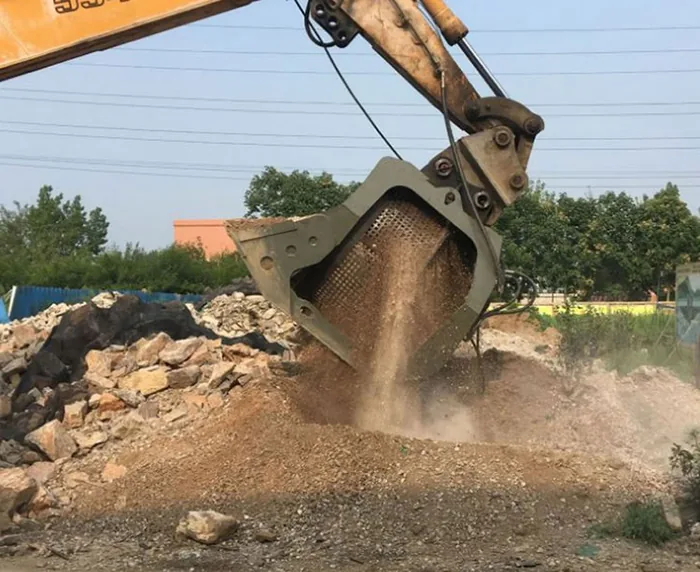
Screen material from construction and demolition work.
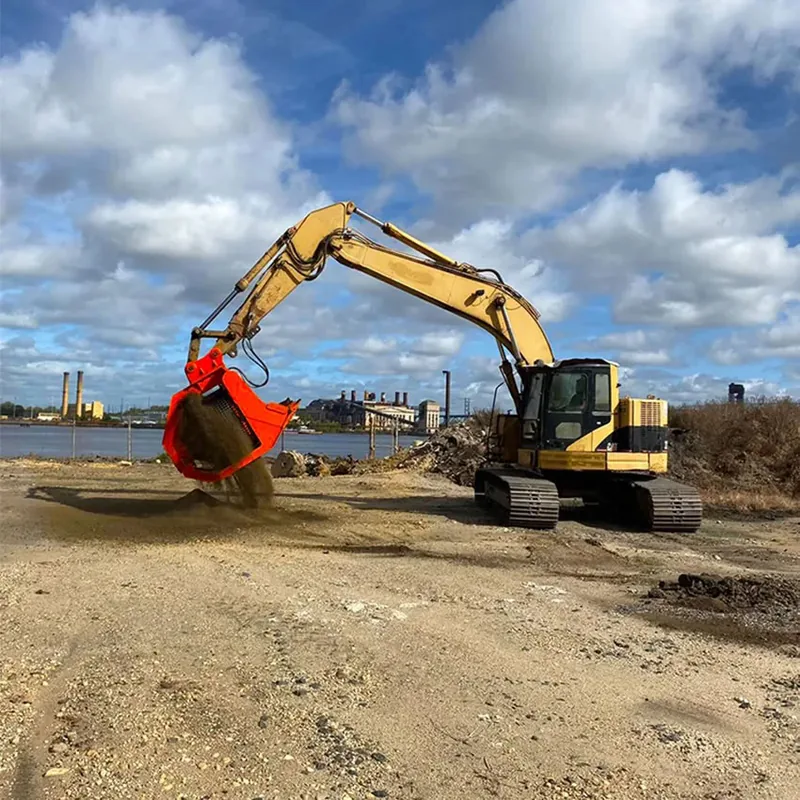
Choose the screen opening for what should pass and what should remain.
Models & Specifications
Excavator tonnage gives a first orientation. Final fitment requires the exact machine model and hydraulic output.
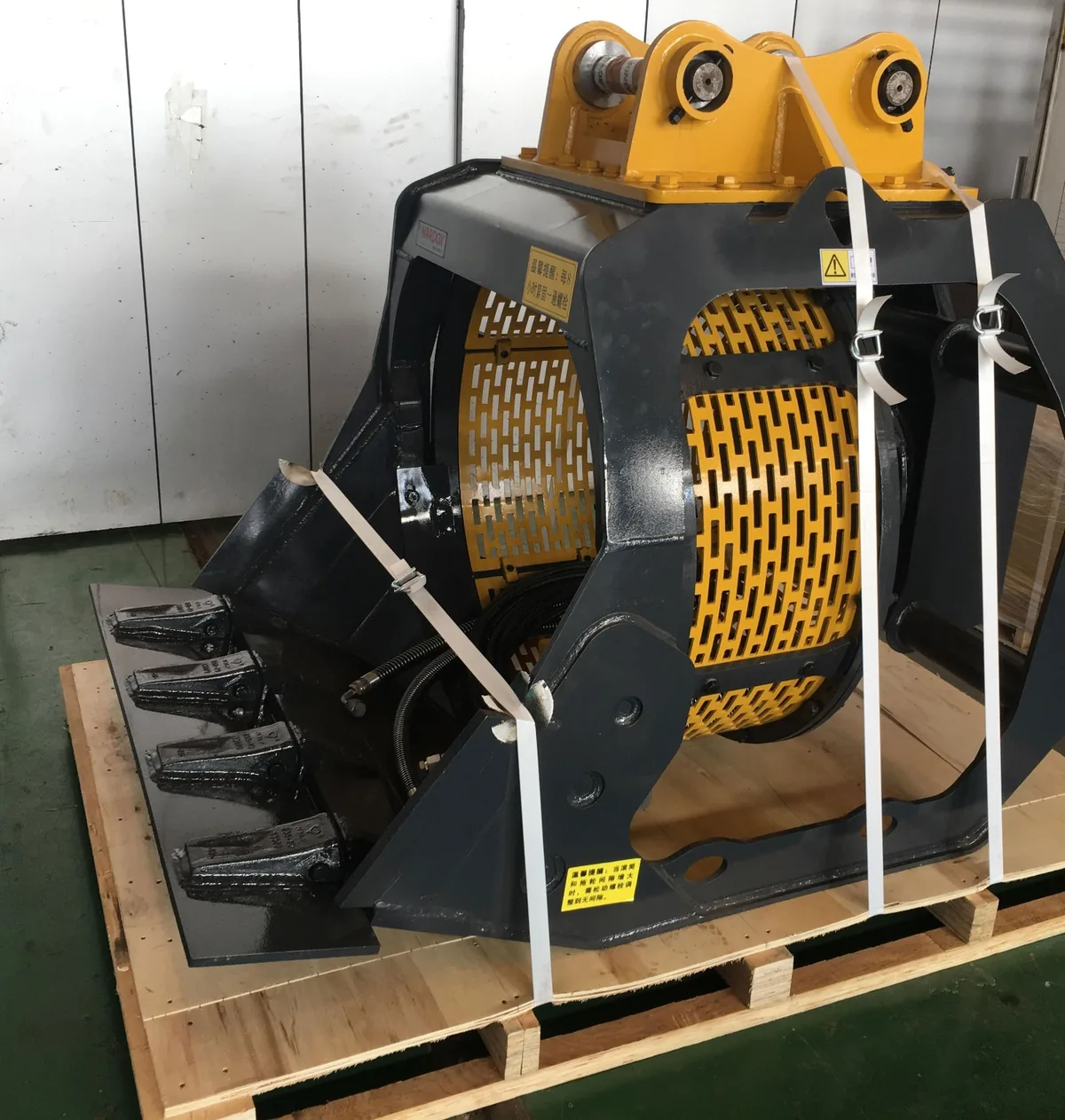
| Model | Excavator | Drum Ø | Speed | Pressure | Flow | Weight |
|---|---|---|---|---|---|---|
| BSB05 | 2–5 ton | 610 mm | 60 r/min | 30 bar | 30 L/min | 175 kg |
| BSB10 | 6–10 ton | 810 mm | 65 r/min | 60 bar | 60 L/min | 630 kg |
| BSB15 | 11–18 ton | 1000 mm | 65 r/min | 80 bar | 80 L/min | 1020 kg |
| BSB20 | 18–23 ton | 1350 mm | 65 r/min | 110 bar | 110 L/min | 1920 kg |
| BSB30 | 25–36 ton | 1500 mm | 65 r/min | 110 bar | 110 L/min | 2430 kg |
Model selection also requires confirmation of exact excavator model, auxiliary flow and pressure, mounting interface and material conditions.
Product Design
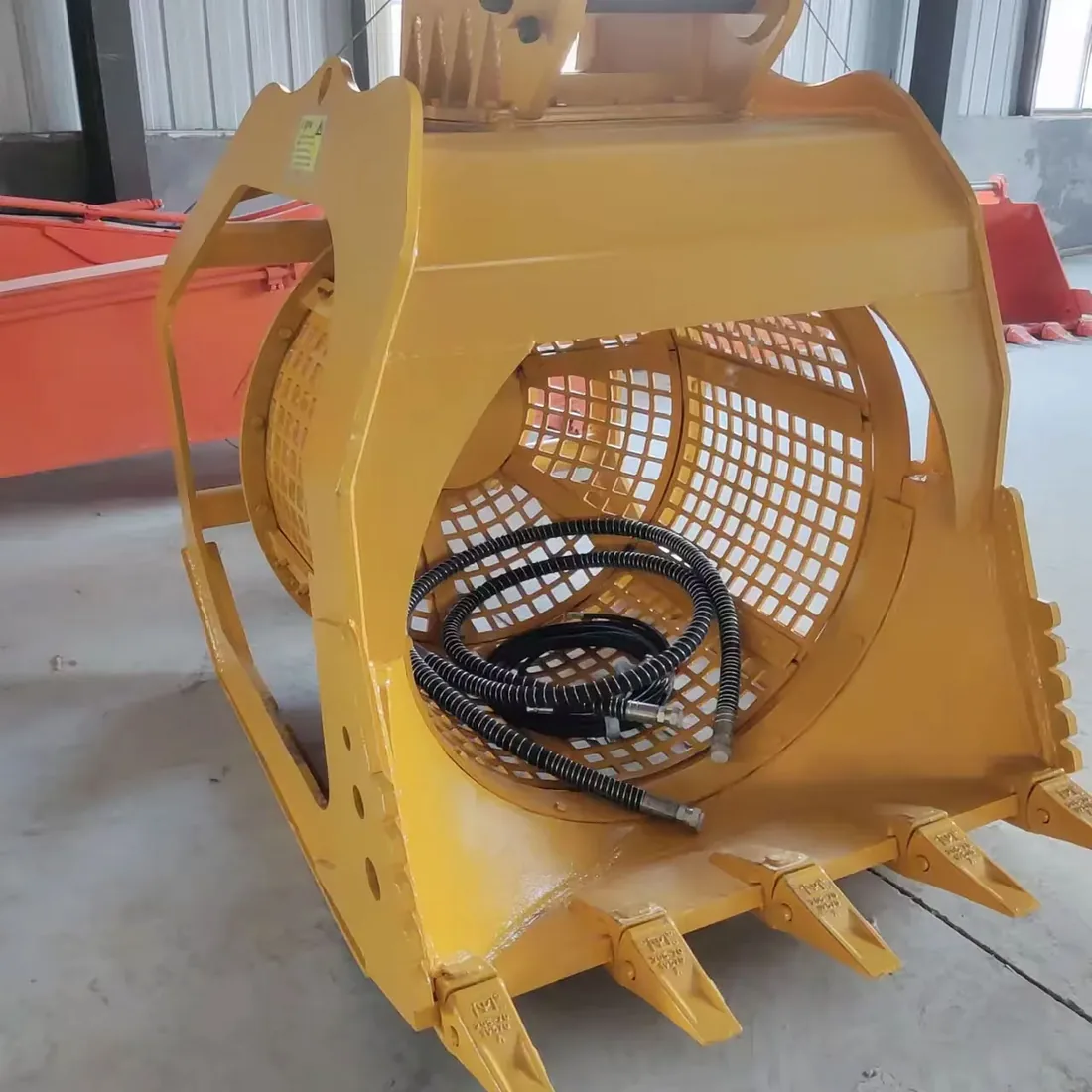
Material enters through the bucket opening. As the powered drum turns, smaller material passes through its screen openings and larger pieces stay inside for placement elsewhere.
The photographed product shows the loading edge, screen drum, bucket frame and hydraulic hoses together, rather than presenting isolated parts as a different machine.
Real Field Work
Real still photography shows the excavator, attachment and screened material in context.

The screen opening and material condition affect the fraction that passes through the drum.
Machine & Hydraulic Match
The tonnage ranges in the table are an initial guide. Confirm the exact excavator model and mounting interface for final fitment.
Check the machine’s available auxiliary output against the selected BSB model. BSB20 is listed at 110 bar, 110 L/min and 65 r/min.
Pressure drives the drum, return carries oil to tank, and the motor case drain provides the third connection. The case drain must be connected: a missing or blocked drain may cause motor oil seal failure.
A bi-directional pedal valve provides forward and reverse. A single-direction valve supports normal screening but not reverse. Reverse can help eject stuck material or clean the drum.
Operation & Maintenance
Start the drum gradually, maintain steady flow and avoid sudden full-pedal acceleration. Keep people clear of the rotating drum.
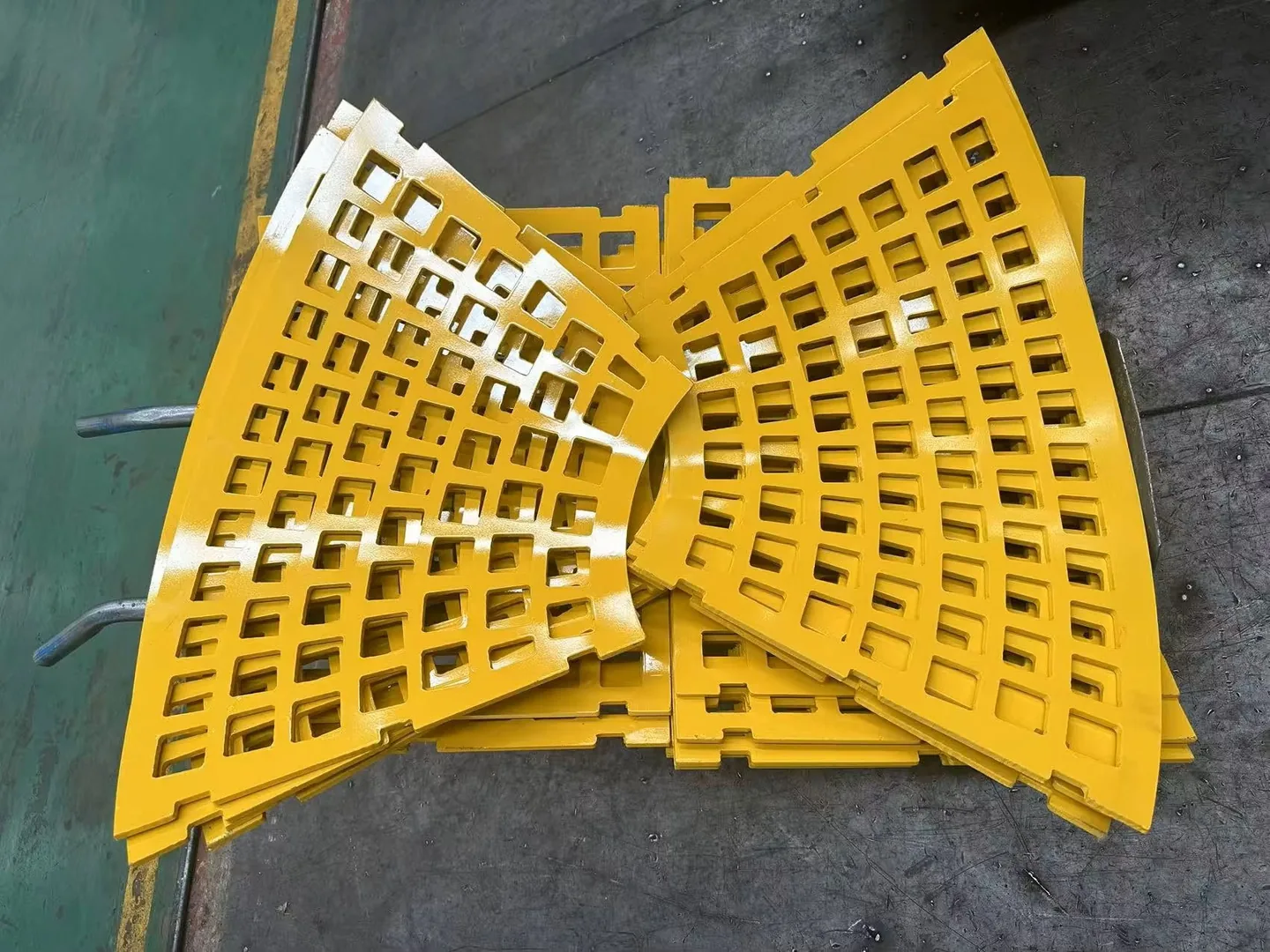
Grease bearings and pivot points as needed. Inspect hoses and bolts, and clean or replace panels when clogged, worn or damaged.
Delivery Evidence
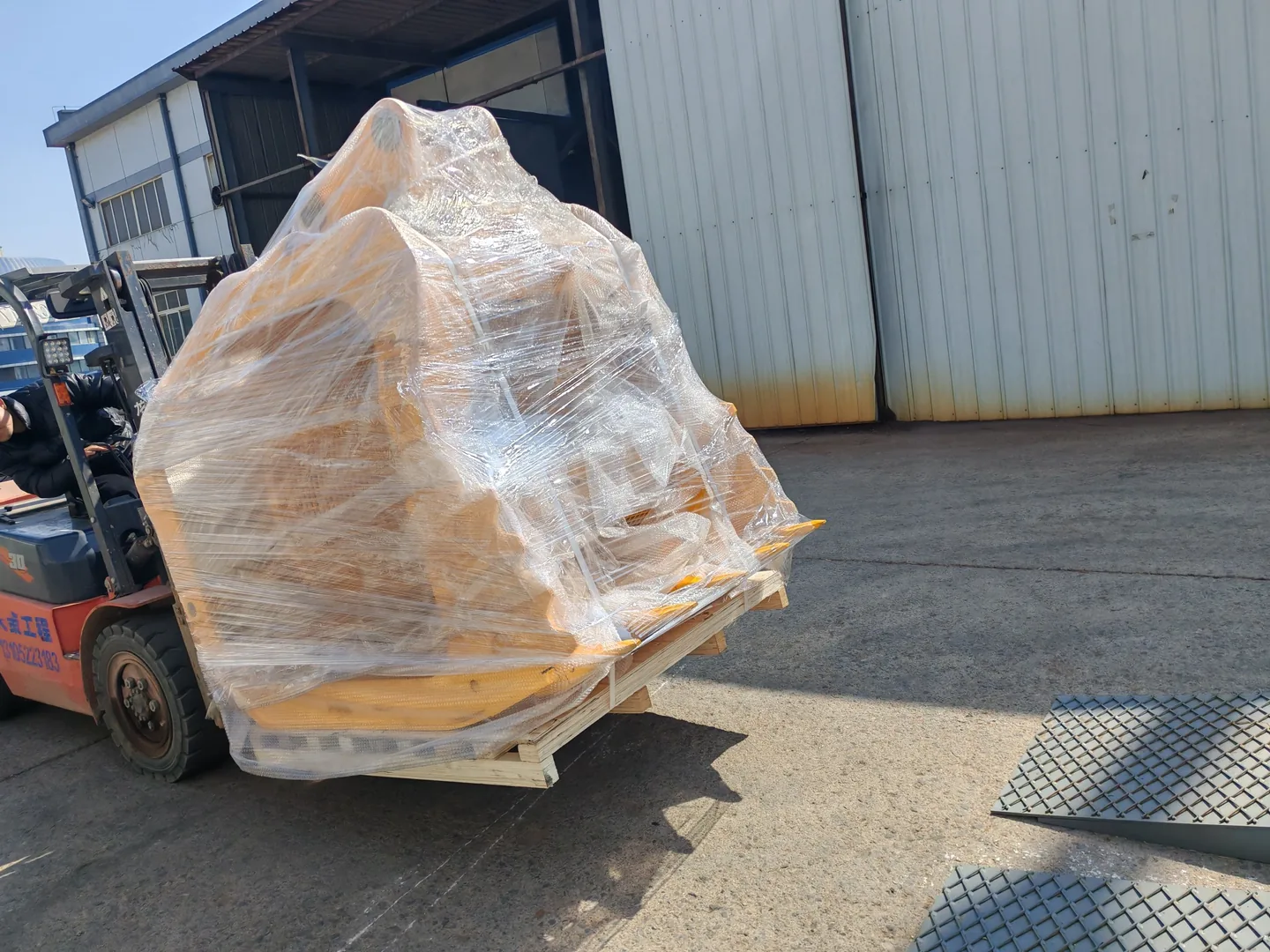
Photographed packing and handling show the physical bucket prepared for delivery.
FAQ
The exact excavator model and tonnage, available auxiliary flow and pressure, material to screen, and preferred screen opening if known.
Yes. It is the third hydraulic hose. A missing or blocked case drain may cause motor oil seal failure.
With a bi-directional pedal valve, forward and reverse are available. Reverse can help eject stuck material or clean the drum. A single-direction pedal still allows normal screening, without reverse.
Yes. Panels can be removed for cleaning or replacement when clogged, worn or damaged.
Start with the target final material size, what should pass, what should remain, and whether the material is dry, wet or sticky. Confirm the actual opening before selection; this page does not list unverified opening sizes.
Share the excavator model, auxiliary flow and pressure, material and preferred opening if known. We will help narrow the configuration.